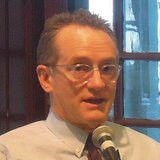
하워드 막스의 투자 명언
Howard Marks · 1946~. 오크트리 캐피털 공동 창업자. 1990년부터 고객에게 보낸 메모로 위험과 시장 사이클을 이야기해 왔습니다. 원문에서 옮긴 카드 250장입니다.
카드 250장 · 6/11쪽. 옆으로 밀거나, 카드 줄을 누른 뒤 ← → 키로 넘깁니다.
-
무리는 꼭대기에서 낙관하고 바닥에서 비관한다. 그러니 이득을 보려면 꼭대기에서 번지는 낙관을 의심하고, 바닥을 지배하는 비관도 의심해야 한다.
The herd applies optimism at the top and pessimism at the bottom. Thus, to benefit, we must be skeptical of the optimism that thrives at the top, and skeptical of the pessimism that prevails at the bottom.
-
본능과 감정은 함께 작당해 우리가 엉뚱한 때에 엉뚱한 일을 하게 만든다. 꼭대기에서 믿고 바닥에서 걱정하게 하는 것이다.
our instincts and emotions conspire to make us do the wrong thing at the wrong time: to trust at the top and worry at the bottom
-
우리가 어디로 가는지는 결코 알 수 없지만, 지금 어디에 있는지는 반드시 알아야 한다고 나는 말한다.
I say we never know where we're going, but we sure as heck ought to know where we are.
-
우리는 미래를 알 수 없고 역사도 알려 주지 않는다. 그러나 그 한계를 아는 것 자체가 중요한 교훈이다.
We cannot know what the future holds, and history cannot tell us. But awareness of that limitation is a key lesson in itself.
-
새 투자 상품이 널리 퍼지는 것은 회의가 멈추고, 돈 구하기 쉽고, 시련이 드문 상승장에서만 가능하다. 반면 혁신은 하락장에서만 시험받으며, 최종 시험을 통과하는 것은 드물다.
popularization of new investment products is possible only in rising markets, with their suspension of skepticism, easy access to money, and dearth of trying moments. On the other hand, innovations are only tested in falling markets, and few pass the ultimate test.
-
오히려 싼 물건은 대개 논란이 많고, 사람들이 비관하며, 최근 성과가 나빴던 것들 사이에서 발견된다.
Rather, bargains are usually found among things that are controversial, that people are pessimistic about, and that have been performing badly of late.
-
투자의 목표는 비대칭이다. 위험에는 그만큼 노출되지 않으면서 수익에 노출되고, 시장이 오를 때 이익에 참여하는 정도가 떨어질 때 손실에 참여하는 정도보다 커지게 하는 것이다.
The goal in investing is asymmetry: to expose yourself to return in a way that doesn't expose you commensurately to risk, and to participate in gains when the market rises to a greater extent than you participate in losses when it falls.
-
나는 투자에서 중요한 것은 모두 직관에 어긋나고, 뻔해 보이는 것은 모두 틀렸다고 확신한다.
I'm convinced that everything that's important in investing is counterintuitive, and everything that's obvious is wrong.
-
뛰어난 투자자가 되려면 무리에서 벗어나고, 자기 확신을 지키며, 사건이 그 판단을 증명할 때까지 포지션을 유지하는 힘이 필요하다.
In order to be a superior investor, you need the strength to diverge from the herd, stand by your convictions, and maintain positions until events prove them right.
-
성공적인 투자에는 뛰어난 실력에 더해, 한동안 틀린 것처럼 보이는 것을 견디고 몇 번의 실수에서 살아남는 능력이 필요하다.
In addition to superior skill, successful investing requires the ability to look wrong for a while and survive some mistakes.
-
그러나 가장 열심히 일하고 가장 잘 결정하는 사람조차 운 없이는 꾸준히 성공하지 못한다.
But even the hardest workers and best decision makers among us will fail to succeed consistently without luck.
-
1963년 와튼에서 처음 배운 것으로 기억하는 것은, 결정이 옳았는지를 결과로 판단할 수 없다는 사실이다.
The first thing I remember learning at Wharton in 1963 was that the correctness of a decision can't be judged from the outcome.
-
세상에 작용하는 무작위성과 예측할 수 없는 미래 때문에, 나쁜 결정이 좋은 결과로 이어지는 일도, 좋은 결정이 실패로 끝나는 일도 많다.
Because of the randomness at work in the world and the unpredictability of the future, lots of bad decisions lead to good results, and lots of good decisions end in failure.
-
매번 맞히는 사람은 없다. (그래서 최고의 투자자들도 분산하고, 헤지하고, 레버리지 사용을 제한한다.)
No one gets it right every time. (That's why even the best investors diversify, hedge and/or limit their use of leverage.)
-
투자자가 영원히 객관적이고 감정에 휘둘리지 않게 될 때 시장은 영원히 효율적이 될 것이다.
Markets will be permanently efficient when investors are permanently objective and unemotional.
-
손실 확률은 비가 올 확률만큼이나 측정할 수 없다.
The probability of loss is no more measurable than the probability of rain.
-
간단히 말해, 더 위험한 투자가 더 높은 수익을 확실히 낸다면 그것은 더 위험한 투자가 아닐 것이다.
In brief, if riskier investments could be counted on to produce higher returns, they wouldn't be riskier.
-
결국 가장 위험한 것은 (품질과 상관없이) 자산에 값을 너무 많이 치르는 것이고, 위험을 줄이는 가장 좋은 방법은 (마찬가지로) 비이성적으로 낮은 가격을 치르는 것이다.
At bottom, the riskiest thing is overpaying for an asset (regardless of its quality), and the best way to reduce risk is by paying a price that's irrationally low (ditto).
-
낮은 가격은 '안전마진'을 주며, 위험을 통제하는 투자란 바로 그런 것이다.
A low price provides a "margin of safety," and that's what risk-controlled investing is all about.
-
간단히 말해 위험 회피와 위험 의식이 높을 때 위험은 낮고, 그것들이 낮을 때 위험은 높다.
Simply put, risk is low when risk aversion and risk consciousness are high, and high when they're low.
-
위험을 졌다는 이유만으로 돈을 벌 것이라 기대해서도 안 되지만, 위험을 지지 않고 돈을 벌 것이라 기대해서도 안 된다.
While you shouldn't expect to make money just for bearing risk, you also shouldn't expect to make money without bearing risk.
-
위험을 너무 적게 지면 동료들보다 성과가 뒤처질 수 있다. 하지만 잘못된 때에 위험을 너무 많이 진 결과보다는 훨씬 낫다.
Taking too little risk can cause you to underperform your peers – but that beats the heck out of the consequences of taking too much risk at the wrong time.
-
위험 의식이 지나쳐서 파산한 사람은 아무도 없다.
No one ever went bankrupt because of an excess of risk consciousness.
-
요점은, 사람들이 대개 미래가 과거와 같을 것이라 기대하고 변화 가능성을 과소평가한다는 것이다.
The point is, people usually expect the future to be like the past and underestimate the potential for change.
이 카드들을 모은 방법
- 원문에서만 옮겼습니다. 버크셔 해서웨이 주주서한, 오크트리 캐피털의 하워드 막스 메모, 찰리 멍거와 존 보글의 강연록, 저작권이 끝난 고전(『어느 주식투자자의 회상』·케인스 『일반이론』) 같은 공개된 원문만 썼습니다. 명언 모음 사이트에서 가져온 문장은 없습니다.
- 원문과 한 줄씩 대조했습니다. 카드의 영어 문장이 출처 문서의 본문에 실제로 있는지 기계로 확인했고, 찾지 못한 문장은 뺐습니다. 그래서 '누가 했다고 알려진 말'처럼 출처가 흐린 문장은 들어 있지 않습니다. 문서 목록과 링크는 출처 페이지에 모았습니다.
- 한국어는 번역입니다. 뜻을 살려 옮겼으므로 낱말이 원문과 일대일로 맞지 않을 수 있습니다. 정확한 표현은 영어 원문과 출처를 보세요.
- 인물 사진은 퍼블릭 도메인이거나 자유 이용 라이선스(CC)인 것만 썼습니다. 저작자와 라이선스는 출처 페이지에 있습니다. 그런 사진이 없는 사람은 이니셜 배지로 대신했고, AI로 얼굴을 그리지 않았습니다.
- 명언은 그 사람이 그 때 그 맥락에서 한 말입니다. 지금 어떤 종목을 사라는 뜻이 아니며, 같은 사람의 말도 시기마다 결이 다를 수 있습니다.